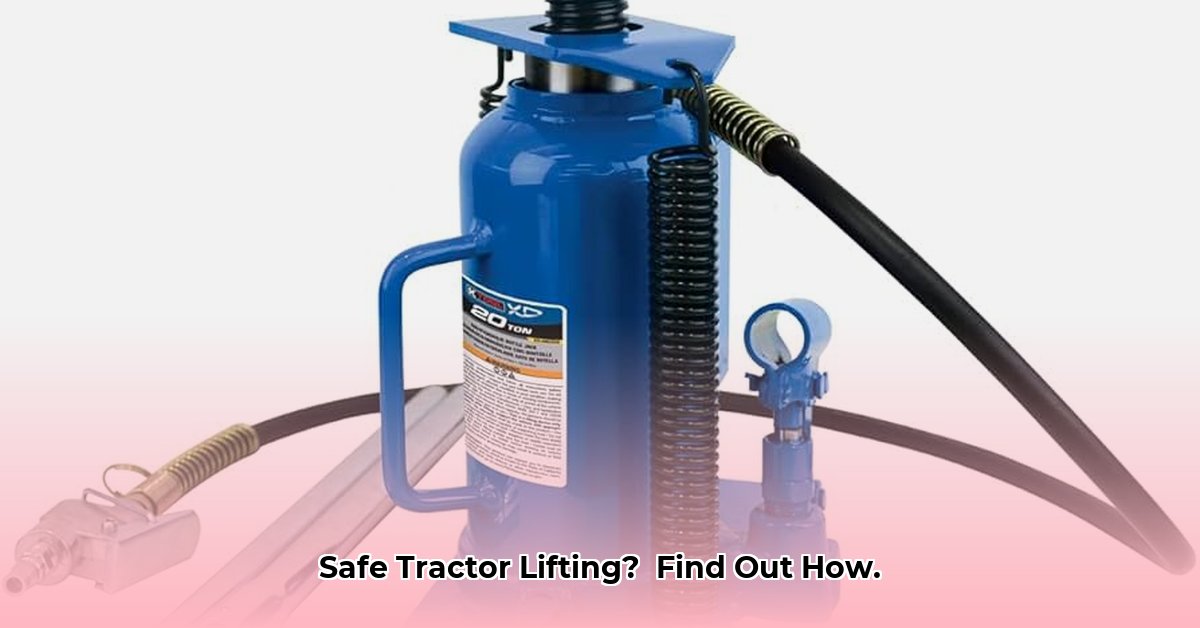
This comprehensive guide provides step-by-step instructions for the safe and effective use of a Tractor Supply bottle jack, focusing on applications for farm equipment. Proper technique is crucial to prevent accidents and ensure the longevity of your jack. For additional tools, check out our wrench set guide.
Choosing the Right Tractor Supply Bottle Jack
Selecting the correct bottle jack is paramount for safety and efficiency. Tractor Supply offers a range of jacks with varying weight capacities. Choosing one with insufficient capacity is extremely dangerous and could result in serious injury or equipment damage. Always check the weight rating clearly printed on the jack before use.
Consider these factors:
- Weight of the load: Accurately estimate the weight of the equipment you plan to lift. It's always safer to overestimate than underestimate.
- Lifting height: The required lifting height will influence the jack's height range.
- Work environment: Consider the stability of the ground. A level surface is essential.
Here's a sample comparison (note that models, prices, and availability are subject to change):
| Tractor Supply Bottle Jack Model | Weight Capacity (lbs) | Height Range (inches) | Approximate Price (USD) | Recommended Use |
|---|---|---|---|---|
| Heavy-Duty Farm Jack | 12,000 | 18-28 | $150 - $200 | Tractors, heavy farm equipment |
| Standard Duty Jack | 6,000 | 12-20 | $75 - $125 | Trailers, smaller farm equipment |
| Lightweight Utility Jack | 3,000 | 10-16 | $50 - $75 | Smaller repairs, light-duty lifting |
When in doubt, consult a Tractor Supply representative for assistance in selecting the appropriate jack for your needs. Remember, safety always comes first.
Safety First: Essential Precautions for Safe Lifting
Before you even think about lifting, prioritize safety. A few extra minutes spent on preparation can prevent serious injury and equipment damage. Never compromise on safety; it’s not optional.
- Never work alone: Have a spotter present to assist and ensure your safety.
- Level surface: Ensure the ground is level and firm. Uneven ground can cause instability. Use a sturdy base plate if necessary.
- Jack placement: Correct jack placement on a strong structural point of the equipment is critical. Consult your equipment's manual if uncertain.
- Jack stands: Always use jack stands immediately after lifting. Bottle jacks are for lifting, not holding weight.
- Protective gear: Wear safety glasses to protect your eyes from debris and work gloves to prevent injuries.
- Weight limit: Never exceed the jack's rated weight capacity. Overloading can cause catastrophic failure.
Did you know that a significant number of jack-related accidents are caused by improper placement or overloading?
Step-by-Step Lifting Procedure
Follow these steps precisely to ensure a safe and controlled lifting operation. Slow and steady wins the race—and keeps you safe.
Step 1: Preparation: Ensure the area is clear, level, and stable. Locate the designated lifting point on your equipment; consult your owner's manual if uncertain.
Step 2: Positioning the Jack: Carefully position the jack directly under the lifting point, ensuring it is centered and stable.
Step 3: The Lift: Begin lifting slowly and evenly. Avoid jerky movements. Listen for any unusual sounds which could indicate a problem.
Step 4: Secure with Jack Stands: Once the load is raised to the desired height, immediately place properly rated jack stands under the equipment. Double-check their stability.
Step 5: Lowering: Slowly and carefully lower the equipment using the jack's release mechanism. Maintain control throughout the process.
Jack Maintenance and Storage
Regular maintenance is key to extending your bottle jack's lifespan and ensuring reliable performance.
- Cleaning: After each use, wipe down the jack with a clean cloth, removing any dirt, grease, or debris.
- Lubrication: Periodically lubricate the screw mechanism according to the manufacturer's instructions. This will prevent seizing and ensure smooth operation.
- Storage: Store the jack in a clean, dry location, protected from extreme temperatures and moisture.
Proper maintenance can significantly extend the life of your jack and ensure its continued safe operation. Neglecting maintenance increases the risk of failure and potential accidents.
Troubleshooting Common Problems
Here are solutions for common bottle jack issues:
- Jack won't lift: Check for obstructions under the jack base. Ensure the ground is level and firm.
- Jack leaks: Inspect the seals for damage. A leaking jack needs repair or replacement.
- Jack slips: Ensure the jack base is level and stable. A larger base plate may be needed for added stability.
If you encounter persistent problems or are unsure about any aspect of jack operation, consult the manufacturer's instructions or seek professional assistance. Safety should never be compromised.
This guide provides actionable steps for safe lifting using a Tractor Supply bottle jack. Remember, safe practices are paramount when working with heavy equipment. Always prioritize safety and consult professional help when necessary.